Halloween Cube: A Horror-Themed Display Font for Editorial Design
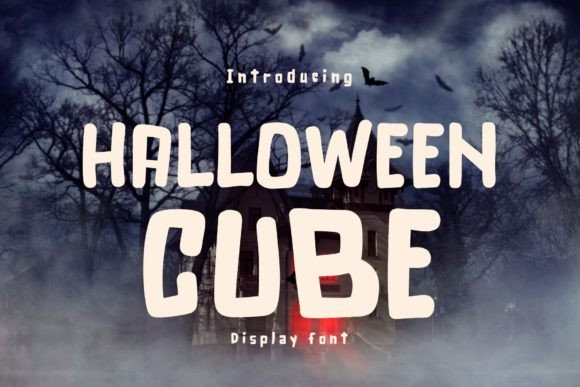
As a publisher and editorial designer who crafts blogs, digital magazines, and branded printables year-round, I reach for Halloween Cube every October—not just as a seasonal novelty, but as a purpose-built Display font that delivers immediate tonal clarity. Unlike generic spooky fonts with cartoonish bats or wobbly ghosts, Halloween Cube is a tightly designed Fonts family where blood-dripping textures and skeletal letterforms coalesce into something genuinely atmospheric—structured enough for professional use, expressive enough to command attention.
Halloween Cube for Magazine Covers and Thematic Branding
When designing a limited-run Halloween issue of a lifestyle or true crime magazine, Halloween Cube anchors the cover with visceral impact. Its bone-like letter structure reads clearly at large sizes, while the subtle blood-drip detailing adds narrative weight without sacrificing legibility in print or high-res PDF exports. Paired with a sturdy serif like Adobe Garamond for body text—or a clean sans serif like Inter for captions—you create a hierarchy that feels intentional, not gimmicky. Because Halloween Cube lives squarely in the Display category, it’s best reserved for mastheads, section dividers, and pull-quote accents—not extended reading. That restraint is what makes it work so well for premium editorial branding.
Halloween Cube for Ebook Titles and Chapter Openers
If you publish themed ebooks—think “Spooky Season Recipes,” “Gothic Fiction Writing Prompts,” or “Haunted History Field Guides”—Halloween Cube instantly signals genre and mood before the first sentence. Use it for ebook cover titles (exported as vector text or embedded properly in EPUB3), then echo its tone in chapter openers with smaller-scale applications: a single word like “Cursed” or “Whisper” set in Halloween Cube, centered over a dark background. Since Halloween Cube is a Fonts asset built for display impact, avoid stretching or layering effects that obscure its bone-textured strokes. Its strength lies in confident simplicity—not distortion.
Halloween Cube for Newsletter Headers and Social Media Graphics
Your October newsletter deserves more than a stock graphic—it needs typographic consistency that extends your brand voice. Halloween Cube works powerfully in email headers (as embedded SVG or high-DPI PNG) and across social media banners, especially when layered over moody photography or grainy textures. Because it’s a Display font, it scales cleanly on mobile previews and renders reliably in Mailchimp, ConvertKit, and Substack’s rich-text editors—no webfont loading delays or fallback substitutions. Just remember: keep body copy in a highly readable font like Lora or Open Sans. Halloween Cube sets the scene; your body type carries the story.
Halloween Cube for Printable Postcards and Invitations
For creators selling printable Halloween kits—wedding invites, party postcards, or haunted house tickets—Halloween Cube delivers instant thematic cohesion. Its dripping details read crisply at 120–300 pt sizes on 5×7” cards, and the bone-inspired letterforms lend gravitas to formal wording (“You Are Cordially Invited to Our Masquerade Ball”). As a Fonts resource, it supports standard OpenType features like ligatures and stylistic alternates—if included in your license—so you can refine spacing or swap glyphs for visual rhythm. Always test printed samples: some inkjet printers mute fine drips, so adjust contrast or add slight stroke outlines if needed.
Halloween Cube for Poster Layouts and Event Branding
Whether promoting a local haunted trail, library storytelling night, or indie horror film screening, Halloween Cube gives posters an unmistakable identity. Its Display nature means it thrives at scale—large-format prints hold its texture beautifully, and the blood-drip effect gains dimension under directional lighting. For accessibility and readability, pair Halloween Cube with a neutral, high-contrast sans serif (e.g., Montserrat Bold) for dates, locations, and QR codes. Never rely solely on Halloween Cube for functional information—it’s a mood-setter, not a utility font.
Halloween Cube for Quote Graphics and Blog Headers
In blog design, first impressions hinge on header typography—and Halloween Cube transforms a standard “October Reads” banner into something immersive. Use it sparingly: one bold headline per article, perhaps overlaid on a foggy forest photo or parchment texture. Its horror ambiance isn’t playful—it’s deliberate, textured, and slightly unsettling in the best way. That makes it ideal for quote graphics shared on Pinterest or Instagram, where visual tone drives engagement. As with all Fonts, ensure your license covers social redistribution, especially if you’re a course creator or digital product seller bundling these assets.
Halloween Cube for Digital Planners and Worksheet Titles
Planner designers know that October-themed pages need more than orange accents—they need typography that feels cohesive and intentional. Halloween Cube shines in worksheet titles (“Full Moon Reflection,” “Pumpkin Spice Goals”), section headers (“Spells & Rituals,” “Ghost Stories Archive”), and decorative dividers. Because it’s a Display font, it avoids the fatigue of decorative script fonts at small sizes—its bone structure remains legible even at 18–24 pt in PDF planners. Just verify multilingual support if your audience includes non-English speakers; most Halloween Cube licenses cover Latin-based languages, but check for diacritics if needed.
Halloween Cube Commercial Licensing for Publishers and Creators
If you’re bundling Halloween Cube into paid templates, client publications, or downloadable guides, confirm your license permits commercial redistribution. Reputable Fonts vendors typically offer clear tiers: personal use, small business, and extended licenses for digital products sold on Etsy, Gumroad, or Teachable. Never assume free download = commercial use. Since Halloween Cube is a Display font with distinctive visual IP, proper licensing protects both your brand integrity and the designer’s rights. When in doubt, purchase the extended license—it’s a small investment for professional peace of mind.